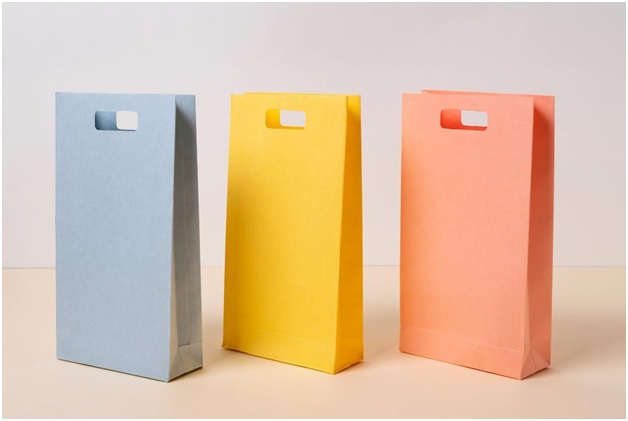
Strong, stylish packaging does more than hold a purchase—it shapes how people feel about what they buy. From finish and structure to print quality and sustainability, laminated paper bags sit at the intersection of strength and presentation, offering brands a practical way to balance protection with visual appeal.
Packaging is often the first physical interaction someone has with a product. That moment matters. When a bag feels sturdy, looks refined, and performs well in everyday use, it quietly builds confidence. Laminated paper bags have become a popular choice because they combine visual polish with functional strength, making them suitable for a wide range of retail and promotional uses. Their value lies not just in appearance, but in how thoughtfully they are designed and produced.
Below is a practical, plain-English look at what makes these bags durable, how design choices affect performance, and how to make informed decisions that benefit both presentation and practicality.
Why Lamination Changes Everything
Lamination refers to a thin protective layer applied to paper, usually with a matte, gloss, or soft-touch finish. This layer strengthens the surface and improves resistance to everyday wear.
The added coating helps protect against moisture, surface scuffs, and creasing. According to packaging industry data, laminated paper products can last significantly longer in active retail environments compared to uncoated alternatives, especially when reused.
Just as important, lamination enhances colour depth and print clarity. Designs appear sharper, and finishes feel intentional rather than fragile.
The Balance Between Strength and Appearance
Durability does not need to look heavy or industrial. Lamination allows lighter paper stocks to perform better, reducing tearing while maintaining a clean, premium feel. This balance is especially valuable where presentation and handling matter equally.
Choosing the Right Paper Weight
Paper weight plays a major role in how a bag performs. It affects load-bearing ability, shape retention, and overall feel.
Lighter papers may fold easily but struggle with heavier contents. Heavier papers provide structure but can feel stiff if not finished well. Lamination helps bridge this gap by reinforcing the surface without excessive bulk.
How Weight Affects Everyday Use
A well-chosen paper weight ensures the bag holds its shape when carried, placed on counters, or reused. This consistency improves perceived quality and reduces the risk of damage during handling.
Handles That Do More Than Carry
Handles are often overlooked, yet they experience the most stress. Poor handle design can undermine an otherwise well-made bag.
Options include twisted paper handles, flat handles, or rope styles. Each offers different levels of comfort and strength. What matters most is how securely the handle is fixed to the bag.
Reinforcement Makes the Difference
Extra internal patches or folded tops help distribute weight evenly. This prevents tearing at pressure points and improves reliability during repeated use.
Print Quality and Surface Finish
Lamination enhances how ink sits on the surface. Colours appear richer, and text stays clearer over time. This is especially noticeable on darker designs or detailed graphics.
Matte finishes reduce glare and fingerprints, while gloss finishes highlight colour contrast. Soft-touch finishes add a tactile element that feels smooth and deliberate.
In the centre of any well-planned packaging strategy, laminated paper bags stand out for their ability to support bold design without sacrificing performance.
Avoiding Overdesign
More effects do not always mean better results. Clean layouts with clear spacing often look more refined and age better with use. Lamination already adds impact; thoughtful restraint keeps designs balanced.
Sustainability Considerations Without Confusion
Sustainability concerns often raise questions about laminated materials. While lamination adds a layer, many modern options are designed to remain recyclable when processed correctly.
The key is using responsible paper sources and minimal coatings. Longer-lasting bags also reduce waste by encouraging reuse.
Clear communication about materials helps align packaging choices with environmental expectations without making claims that are difficult to support.
Practical Design Tips You Can Apply
When planning or reviewing packaging, keep these points in mind:
- Choose paper weight based on realistic load needs, not assumptions
- Match lamination type to how the bag will be handled and reused
- Reinforce handles and top folds to prevent early failure
- Keep print layouts clear to maintain visual impact over time
- Test samples under normal conditions before final approval
Small decisions at the design stage often prevent larger problems later.
How Durability Supports Brand Perception
A bag that holds its shape and resists wear sends a quiet signal of care and attention. People tend to associate sturdy packaging with reliable products, even subconsciously.
Durable bags are also more likely to be reused, extending visibility beyond the initial purchase. This added exposure comes without extra materials or effort, simply through thoughtful construction.
Making Informed Packaging Choices
Good packaging decisions are rarely about trends alone. They are about function, longevity, and how design supports use. Lamination is not just a visual upgrade; it is a practical tool that improves performance when applied with purpose.
Understanding how materials, finishes, and construction work together allows better outcomes without unnecessary complexity.
Final Thoughts
Well-designed packaging does more than carry a product. It communicates care, quality, and intention at the moment a customer first makes contact. Thoughtful material choices, strong construction, and balanced visuals work together to create bags that feel reliable without appearing excessive. When durability supports design, the result feels effortless rather than forced.
As sustainability expectations rise, smart decisions around finishes, paper weights, and print techniques help brands stay relevant while remaining practical. Every detail, from handle strength to surface protection, plays a role in how a bag performs beyond the point of sale.
If your goal is packaging that protects goods, reflects values, and leaves a lasting impression, laminated paper bags offer a flexible solution worth careful planning. Review your priorities, test finishes, and choose designs that serve both function and appearance. The right approach turns everyday packaging into a quiet but powerful brand signal for modern retail environments.