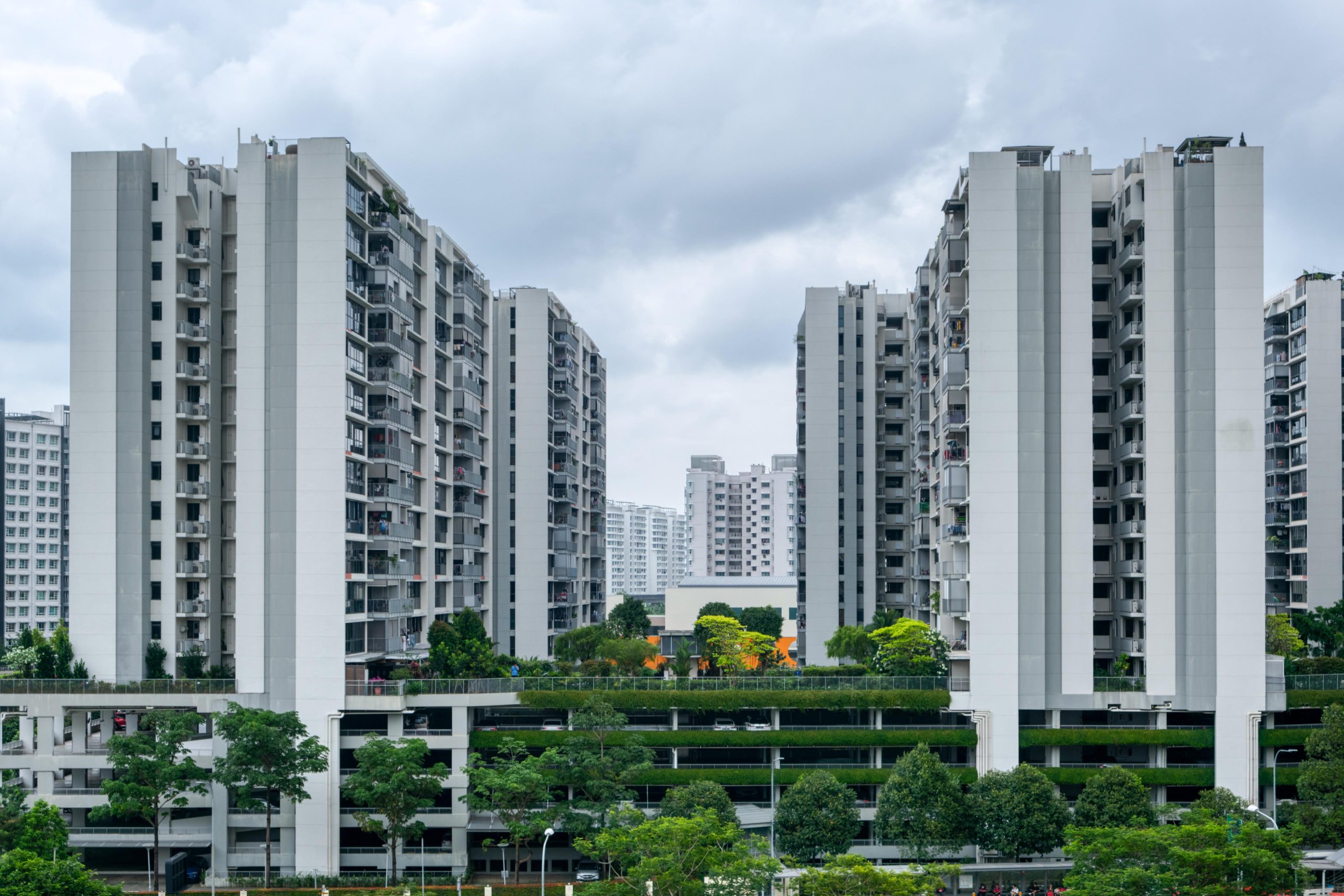
Even in a mature market like Singapore, property myths continue to shape buyer behavior. Some of these beliefs were once true, while others were never accurate to begin with. Yet they still influence decisions, sometimes leading buyers to overpay, under-invest, or miss better opportunities.
In 2026, where the market is more data-driven and selective than ever, separating myth from reality is essential for making sound property decisions.
Myth 1: “The Highest Floor Always Means the Best Unit”
Many buyers assume higher floors automatically mean better value. While higher floors often offer better views and reduced street noise, this is not always the case.
In reality, extremely high floors can come with trade-offs such as longer lift waiting times, stronger wind exposure, or reduced convenience in daily movement. Mid-level floors often strike a better balance between accessibility and comfort.
The “best” unit depends more on orientation, layout, and surrounding environment than just height.
Myth 2: “All New Launches Guarantee Capital Gains”
A common misconception is that buying a new launch automatically leads to profit upon completion.
While some projects perform well, not all new launches appreciate significantly after TOP (Temporary Occupation Permit). Factors such as oversupply in the area, weak location fundamentals, or aggressive initial pricing can limit upside.
Long-term performance depends on broader demand trends rather than launch timing alone.
Myth 3: “Rental Yield Is the Most Important Metric”
Many investors still prioritize rental yield as the primary decision factor. However, yield alone does not reflect real investment performance.
A high-yield property in a weak location may suffer from:
- Frequent vacancies
- Higher maintenance issues
- Lower resale demand
Meanwhile, a lower-yield property in a strong location may outperform over time due to capital appreciation and tenant stability.
True performance comes from balancing yield with long-term asset strength.
Myth 4: “Central Locations Always Perform Better”
While central locations are historically strong, they are not automatically superior in every cycle.
In 2026, buyers are increasingly considering suburban and fringe locations that offer:
- More space
- Better greenery
- Improved liveability
- Lower density
Some of these areas are seeing stronger demand from families and long-term homeowners.
The definition of “good location” is becoming more lifestyle-driven rather than purely geographic.
Myth 5: “Bigger Condos Are Always Better Investments”
Larger units are often assumed to be better investments due to higher absolute value. However, they may not always perform efficiently.
Larger units:
- Cost more to maintain
- Attract a narrower tenant pool
- May have lower rental yield per square foot
Smaller, well-designed units can sometimes outperform in rental demand and liquidity, especially in urban settings.
Efficiency matters more than size alone.
Myth 6: “All Condos in the Same Area Perform Similarly”
This is one of the most persistent misconceptions.
Even within the same neighbourhood, performance can vary significantly due to:
- Stack orientation
- Distance to MRT
- Internal layout design
- Facility quality
- Maintenance standards
Two condos just minutes apart can have very different resale values and rental performance over time.
Micro-location differences matter more than many buyers realize.
Myth 7: “Property Always Outperforms Other Investments”
While property is generally stable in Singapore, it does not always outperform other asset classes.
Real estate is influenced by:
- Interest rate cycles
- Government regulations
- Market supply conditions
There are periods where equities or other investments may outperform property in returns or liquidity.
A balanced portfolio approach is often more effective than relying solely on property for wealth growth.
Myth 8: “Showflats Represent Real Living Conditions”
Showflats are designed to create emotional impact, not always realistic living conditions.
They often feature:
- Optimized lighting
- Space-enhancing furniture
- Non-standard layouts
- Premium fittings not included in base units
While they help buyers visualize potential, they should not be taken as exact representations of everyday living experience.
Developers like Thomson Reserve often design show units to highlight lifestyle potential, but buyers still need to carefully evaluate actual floor plans and unit conditions.
Myth 9: “Older Condos Are Always Bad Investments”
Older developments are often unfairly dismissed, but age alone does not determine performance.
Some older condos maintain strong value due to:
- Large land plots
- Strong maintenance culture
- Prime locations
- Functional layouts
In contrast, some newer developments may underperform due to oversupply or weak design efficiency.
Longevity in property value depends more on fundamentals than age.
Myth 10: “Luxury Means Better Long-Term Value”
Luxury branding does not automatically translate into stronger returns.
High-end developments may carry:
- Higher maintenance costs
- Slower resale cycles
- Narrower buyer segments
While luxury properties can perform well, their success depends on actual demand sustainability rather than branding alone.
Boutique and thoughtfully designed residences like Amberwood at Holland show that understated, well-planned developments can sometimes achieve more stable long-term appeal than overly flashy projects.
Why These Myths Persist
Property myths persist because they are simple, intuitive, and often repeated in casual conversations. However, Singapore’s property market is highly nuanced and influenced by many overlapping factors.
Buyers who rely on simplified assumptions may miss important details that affect long-term outcomes.
How Buyers Can Avoid Being Misled
A more accurate approach includes:
- Evaluating net rather than gross performance
- Comparing micro-location differences carefully
- Studying long-term demand trends
- Understanding layout efficiency
- Factoring in maintenance and holding costs
Most importantly, decisions should be based on data and real-world usability, not assumptions.
Final Thoughts
Singapore’s property market in 2026 is too complex for simple rules of thumb. Many long-standing beliefs about location, size, price, and luxury no longer hold true in every situation.
The most successful buyers are those who question assumptions and evaluate properties based on real performance drivers rather than outdated myths.
Whether considering modern developments like Thomson Reserve or boutique residences such as Amberwood at Holland, the key is to look beyond common beliefs and focus on what truly determines long-term value.
In property, clarity always outperforms convention.