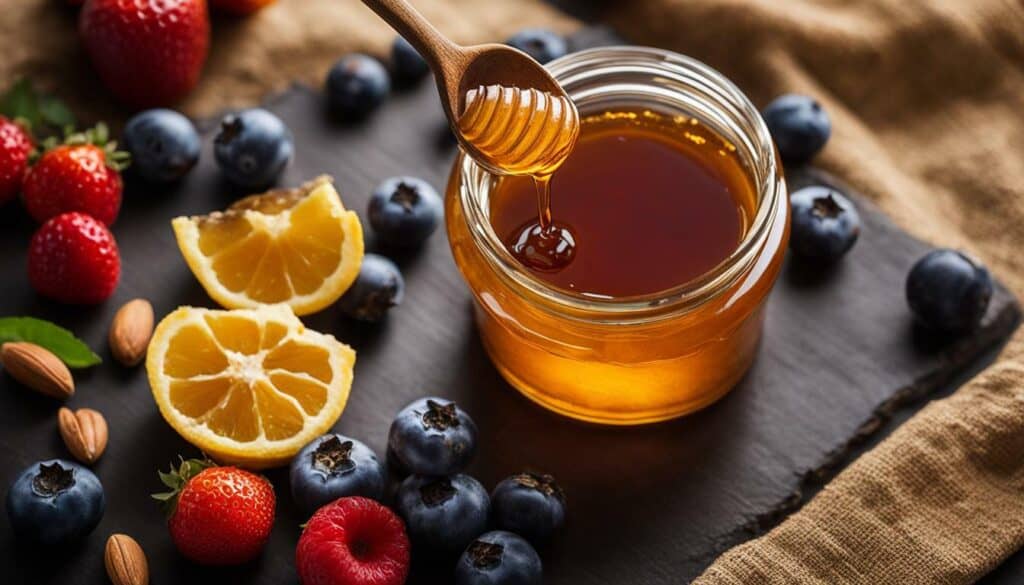
Tupelo honey sits in a category of its own. It is one of the few honeys that serious food lovers, chefs, and collectors actively seek out by name. The price tag on a single jar can genuinely surprise first-time buyers.
The high price comes from a combination of location and natural growth requirements. The complex logistics needed to produce authentic tupelo honey. Understanding those factors explains not just the cost but why people keep coming back for it year after year.
What is Tupelo Honey?
Tupelo honey is a monofloral honey made exclusively from the nectar of white tupelo trees, known botanically as Nyssa ogeche. It grows naturally in a narrow band of river swamp ecosystems across northwestern Florida and southern Georgia. This makes it one of the most geographically restricted honeys in the world.
Here is what makes it stand out from every other honey on the shelf:
- Light golden color with a subtle greenish cast
- Smooth, buttery flavor with a gentle floral finish
- Unusually high fructose-to-glucose ratio that prevents crystallization
- Stays liquid and smooth for years under proper storage
Limited Growing Region and Short Bloom Window
The white tupelo tree is not adaptable. It demands very specific swampy, water-logged soil conditions. These requirement alone puts a permanent ceiling on how much of this honey can ever be produced.
Limited Geographic Footprint
Authentic tupelo honey comes almost entirely from a handful of river swamp systems. The Apalachicola River basin in Florida is the most recognized source, alongside wetland areas near the Okefenokee and the Florida-Georgia border region.
Tupelo trees cannot be relocated or expanded to meet demand. The geography sets a hard limit, and nothing about modern agriculture changes that.
Short Bloom Period of Two to Three Weeks
White tupelo trees bloom for roughly two to three weeks per year. That narrow window is the only opportunity beekeepers get to capture the nectar flow. There is no recovering from a bad season once it passes.
Weather makes it even more unpredictable:
- Heavy rain washes nectar directly off the blossoms
- Strong winds shorten the bloom period further
- A single weather event can significantly reduce the annual yield
- Beekeepers must wait until the following spring to harvest again
Difficult and Costly Harvest Conditions
Harvesting tupelo honey is challenging. Swamp terrain, isolated sites, and strict purity standards make producing tupelo honey more costly and complicated than regular honey.
Swamp Beekeeping Logistics
Beekeepers transport hives by boat or barge through narrow waterways to reach the tree-lined swamp banks where nectar is most abundant. These areas have no standard road access, adding to the challenge.
Fuel, specialized equipment, and the unpredictability of swamp conditions all increase costs in ways that don’t occur in a standard open-field apiary.
Need for Pure Single-Source Nectar
Producing honey that qualifies as pure tupelo honey requires careful timing and isolation. Beekeepers remove or separate any honey collected before the tupelo bloom begins, since earlier mixed floral sources disqualify the batch from pure tupelo status.
That discarded honey represents a direct financial loss absorbed into every authentic jar. Brands like Smiley Honey take this purity standard seriously, which is a big part of what separates trusted producers from imitations.
A Small Number of Producers Keep Tupelo Honey Rare
Only a few hundred beekeepers nationwide have the combination of experience, equipment, and swamp access needed to produce authentic tupelo honey. Most operate small family businesses that have worked the same river systems for generations. There is no industrial version of this process. The scale stays small because the geography and the work genuinely demand it.
Supply and Demand Imbalance
When supply is permanently limited, and demand keeps growing, prices reflect that gap directly. Many producers pre-sell their entire harvest to returning customers before a single jar is even bottled.
Demand Far Exceeds Supply
Gourmet retailers, professional chefs, and dedicated honey enthusiasts all compete for a very small annual crop. The pool of buyers grows each year while the total harvest stays roughly the same, which keeps prices firm across the board.
Price Comparison With Regular Honey
A standard supermarket honey jar costs a few dollars for 12 ounces. An equivalent jar of authentic tupelo honey from a reputable producer can cost several times that amount, with small-batch or premium harvest years pushing prices even higher.
Quality, Flavor, and Gold Standard Status
Tupelo honey has earned its reputation through consistent quality, not just scarcity. Buyers who try it once rarely reach for standard honey in the same situations again.
Premium Taste and Culinary Uses
Chefs value Tupelo Honey’s smooth, buttery texture and subtle floral notes, perfect for both sweet and savory dishes. A few ways it gets used:
- Drizzled over cheese boards and charcuterie
- Stirred into dressings and marinades
- Used as a finishing glaze for roasted meats
- Added to baked goods without any warming or reconditioning needed
Perceived Health and Purity Benefits
Authentic tupelo honey is almost always sold raw and unblended. Buyers know its origin, how it was harvested, and what’s in the jar, giving it real value in a market where provenance increasingly matters.
Conclusion
Tupelo honey commands a premium because every stage of production is demanding, limited, and difficult to scale without compromising quality. The region is fixed, the bloom period is short, the harvest is labor-intensive, and only a small number of producers can meet these exacting standards. Understanding these challenges explains why authentic tupelo honey is so rare and valued.
For those curious about trying genuine tupelo honey, some producers exemplify careful sourcing and a commitment to purity, ensuring the final product reflects the craft and care that goes into each jar. Smiley Honey is one such name, presenting precise attention to quality while maintaining transparency in sourcing and production.